A Dark Part of Foster City History
Listen to the podcast:
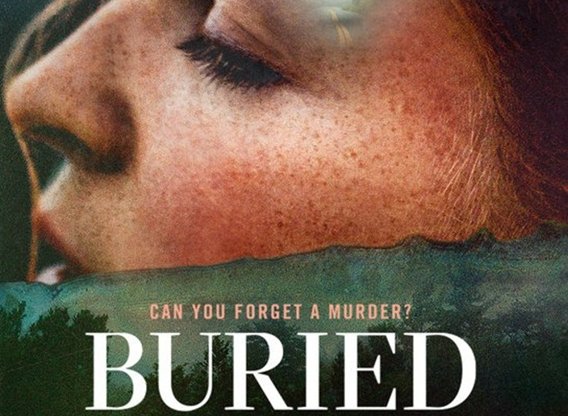
BURIED follows the gripping story of Eileen Franklin who, while playing with her young daughter, suddenly had a memory of witnessing the rape and murder of her childhood best friend, 8-year-old Susan Nason, which led to a re-opening of a case that had gone unsolved for nearly 20 years. And in a shocking twist, when Eileen came forward with her memory, she told the police that she remembered the murderer was her own father, George Franklin.
The Story
On September 22, 1969, a tragedy occurred that would haunt the Foster City community for decades: the disappearance of eight-year-old Susan Nason. Susan vanished shortly after 3 p.m. following a visit to a friend’s house, leading to an exhaustive search that ended in December 1969 when her skeletal remains were discovered in a mountainous area several miles from her home. For twenty years, the investigation remained open but unsolved, until a stunning revelation from a former classmate brought the case back to the forefront of national headlines.
The “Recovered” Memory
In November 1989, Eileen Franklin-Lipsker, who had been Susan’s neighbor and “favorite playmate” at Foster City Elementary, contacted authorities with a shocking claim. She testified that while looking at her own daughter, a memory buried for twenty years “came back in a flash”. Eileen asserted that she had been present in her father’s Volkswagen van when he picked up Susan, drove to an isolated area, and murdered her.
Her father, George Franklin, a retired firefighter, was arrested and tried in 1990. The trial became a cultural and legal flashpoint for the theory of repressed memory—the idea that the mind can bury traumatic events for years before they are suddenly retrieved.
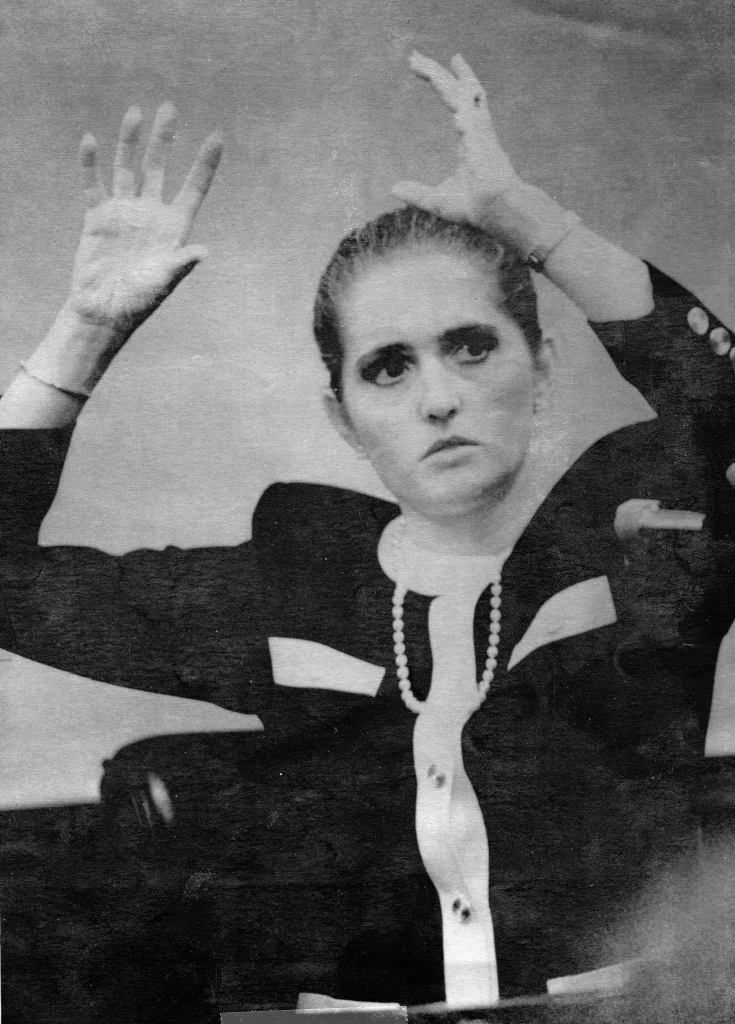
The Trial of the Century in Redwood City
The 1990 trial was unique because no physical evidence linked George Franklin to the crime scene. The prosecution’s case rested almost entirely on Eileen’s testimony as the sole eyewitness. During the proceedings, experts debated the validity of repressed memories; while some promoted the phenomenon as a defense against trauma, others, like memory scientist Elizabeth Loftus, argued it was a “myth” and that detailed false memories could be easily implanted.
Despite contradictions in Eileen’s accounts—such as shifting the time of the murder and whether her sister Janice was present—the jury found her a sympathetic witness. George Franklin was convicted of first-degree murder and sentenced to life in prison.
Constitutional Errors and Reversal
The conviction did not hold. In 1995, a federal judge overturned the verdict, citing significant constitutional violations that had “ineffably skewed” the trial. Two major errors were identified:
- Exclusion of Public Domain Evidence: The defense was barred from showing the jury news clippings from 1969. The prosecution had argued that Eileen knew “minute details” only an eyewitness could know, such as a crushed silver ring on Susan’s finger. However, the defense proved these details had been heavily reported by the San Mateo Times and other papers at the time of the crime.
- Improper Use of Silence: During a jailhouse visit, Eileen urged her father to “tell the truth”. George remained silent and pointed to a sign stating that conversations were monitored. The trial judge incorrectly allowed the prosecutor to argue that this silence was a “compelling” admission of guilt, violating George’s Fifth Amendment rights.
Aftermath and Legacy
The case disintegrated when prosecutors prepared for a retrial. Eileen’s sister, Janice, admitted that both she and Eileen had been hypnotized to enhance their recollections and had lied about it in court. Under California law, hypnotically induced testimony is inadmissible.
George Franklin was released in 1996 after more than six years in prison. The case remains a landmark in legal history, serving as a cautionary tale about the use of uncorroborated “repressed memories” in the criminal justice system. Today, it is generally accepted that a person should not be charged based on such memories unless independent corroboration exists. For Foster City, the George Franklin trial remains a complex chapter where the search for justice for Susan Nason collided with the “vaporous breezes” of memory.
The Documentary
The Showtime documentary series “Buried” consists of four episodes that examine the landmark 1990 trial of George Franklin—the first criminal case in history based on a repressed memory—following his daughter Eileen’s sudden, terrifying recollection of the 1969 Foster City murder of Susan Nason, while ultimately questioning whether those memories were true beyond a reasonable doubt.
- S1 E1: The Flashback: In the series premiere, a woman suddenly recalls the identity of her best friend’s killer after twenty years.
- S1 E2: Voodoo Psychology: This episode details how repressed memory was introduced as evidence in a criminal trial for the first time in history.
- S1 E3: House of Hell: Members of the Franklin family take the stand to testify about the extensive abuse they suffered during their childhood.
- S1 E4: Memory Wars: In the series finale, Eileen Franklin expresses her belief that her father may have been involved in additional unsolved murders.